Article
Can You Read This? The Mystery of Jumbled Letters
October 24, 2026 · The English Class
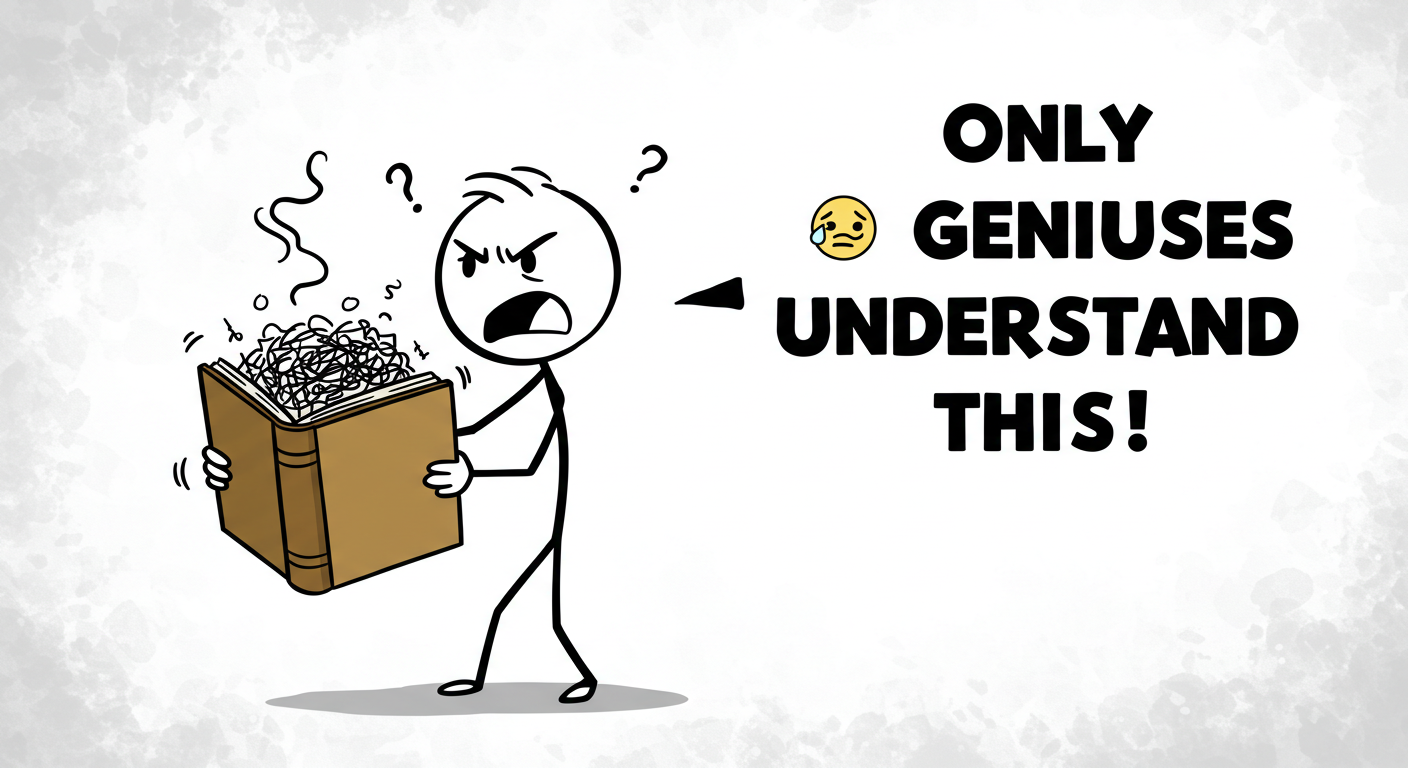
There was a boy named Leo. Leo loved reading books, especially ones that helped him learn English.
One day, while searching for a book to improve his reading, he found something unusual. It had no title, just an old cover, but something about it felt magical.
Leo opened the book, and what he saw made him stop. There was a message inside, but the words looked very strange.
Before Leo reads it… can you read it?
The Challenge: Try to Read This
fi yuo cna raed tihs, yuo hvae a sgtrane mnid too.
I cdnuolt blveiee taht I cluod aulaclty uesdnatnrd waht I was rdanieg.
The phaonmneal pweor of the hmuan mnid, accrodnig to a rscheearch at Cmabrigde Uinervtisy, it dseno’t mtaetr in waht oerdr the ltteers in a wrod are, the olny ipmorantt tihng is taht the frsit and lsat ltteer be in the rghit pclae.
The rset can be a taotl mses and you can sitll raed it wouthit a porbelm.
Tihs is bcuseae the huamn mnid deos not raed ervey ltteer by istlef, but the wrod as a wlohe.
Azanmig huh? Yaeh and I awlyas tghuhot spleling was ipmorantt!
Were you able to read it? Leo could! He read every word, even though the spelling looked completely wrong.
The correct text:
“If you can read this, you have a strange mind too. I couldn’t believe that I could actually understand what I was reading. The phenomenal power of the human mind: according to research at Cambridge University, it doesn’t matter in what order the letters in a word are. The only important thing is that the first and last letter be in the right place. The rest can be a total mess and you can still read it without a problem. This is because the human mind does not read every letter by itself, but the word as a whole. Amazing, huh? Yeah, and I always thought spelling was important!”
How Is This Possible?
Good readers don’t read slowly, letter by letter. Your brain uses several clues at the same time:
- The first and last letters. These give your brain a strong starting point.
- The letters inside the word. Even mixed up, the right letters are still there.
- Context. The words around a word help you guess it. In the sentence “yuo cna raed tihs”, your brain expects “you can read this.”
- Familiar words. Short, common words like the, a, I, was are often not changed at all, so you have many “anchors” to hold on to.
Your brain works like a smart detective, putting these clues together very quickly.
Fact Check: Did Cambridge University Really Say This?
Here’s an interesting twist: the Cambridge University part is a myth.
This text spread around the internet in 2003, but it did not come from a Cambridge research study. A scientist at Cambridge, Matt Davis, later wrote about the text and explained that it’s only partly true. The real research on reading shows:
- ✅ We can often read words with mixed-up middle letters.
- ❌ But it’s not true that “the rest can be a total mess.” Long or unusual words become much harder (try “aulaclty” or “phaonmneal”).
- ❌ And we don’t read jumbled text “without a problem.” Studies show people read it more slowly and make more mistakes.
So the puzzle is fun, and it shows how clever your brain is, but it doesn’t mean spelling is unimportant.
What This Means for English Learners
1. Read more, and your brain gets faster
The more English you read, the more words your brain recognizes instantly as a whole. That’s why native speakers could read the puzzle quickly: they have seen these words thousands of times. Daily reading builds the same skill in you.
2. Spelling still matters
Your brain can guess a jumbled word, but other people shouldn’t have to guess your writing. In emails, exams, job applications, and messages, correct spelling makes you look clear and professional.
3. Context is your best friend
When you see a new or difficult word, don’t panic. Look at the words around it. Like Leo’s brain, you can often guess the meaning from the sentence.